Buying everyone a gym membership doesn’t make your organization fit. People might show up, walk on the treadmill for twenty minutes, and leave feeling good about themselves. But nothing really changes. That’s essentially what’s happening with AI in most organizations right now.
The licenses are active. People are logging in. They’ll ask ChatGPT to rewrite an email or summarize a long article. But meaningful use, the kind that actually changes how work gets done, isn’t happening.
This isn’t a technology problem. It’s a context problem.
Most employees don’t know what meaningful AI use looks like for their specific role. They’ll play with it when they have a spare moment, get a decent-enough result, and move on. It never becomes part of how they actually work. The gap between “I’ve used AI” and “AI changed how my team operates” is enormous.
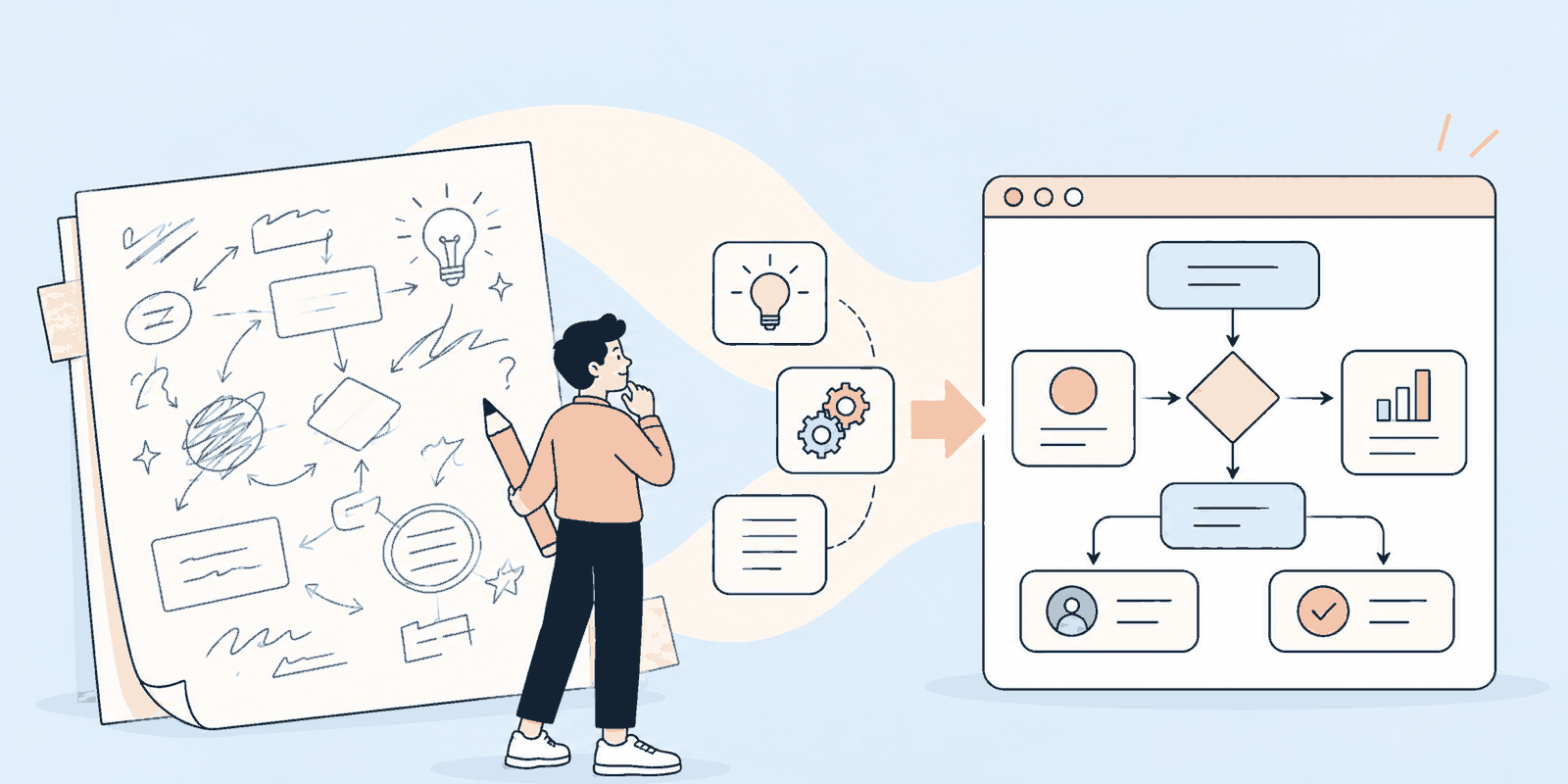
The organizations where AI is actually making a difference don’t just give people access. They sit with teams, look at the workflows that eat the most time, and show, concretely, with real examples from that team’s actual work, how AI fits into what they already do. Not as a novelty. As a tool that saves real hours on real tasks, every week.
This is the difference between access and adoption. Access is an IT project. Adoption is a behavior change. And behavior change doesn’t come from a company-wide email or a one-time training session.
It comes when someone sees their colleague cut a three-hour task down to forty minutes. When a manager shares a prompt that actually works for their specific workflow. When the wins are small, visible, and contagious, spreading peer to peer rather than cascading top-down.
The uncomfortable truth is that most AI rollouts don’t fail dramatically. They fade. The dashboards show “usage”, but it’s shallow usage that never compounds into real impact. And eventually someone asks why the ROI isn’t materializing.
If your organization has AI access but it’s not making a real difference, the problem isn’t the tool. It’s the missing layer between the technology and the daily work, the translation, the context, the “here’s how this saves you two hours every Thursday.”
Buying is the easy part. Adoption is the real work.