
An unusual customer request arrives at the service desk.
The company has a clear policy. The employee knows which options are available, what approvals are required, and how the request should be recorded.
But an experienced team member notices something the policy does not fully explain.
Perhaps a similar issue happened before. Perhaps the customer received a commitment that changes what a good resolution looks like. Or perhaps the standard response is technically correct but poorly suited to the situation.
That judgment comes from experience, not simply from reading the rules.
As organizations build AI agents that support increasingly complex work, this raises a more consequential question: how can the judgment developed by experienced people become a capability the organization can preserve, evaluate, and improve?
The Knowledge That Lives Beyond Documentation
Organizations hold different kinds of knowledge.
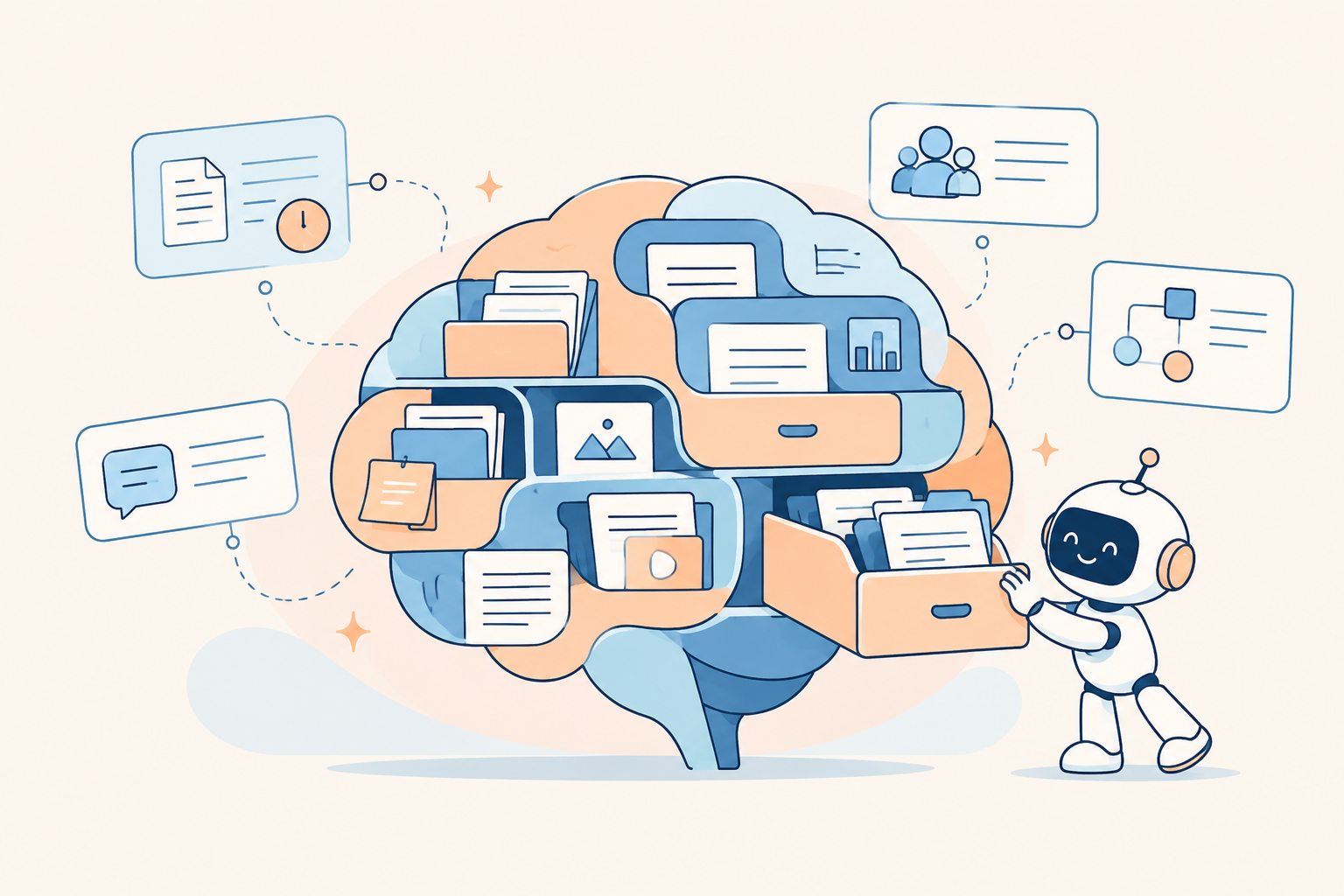
Some can be written down clearly, such as policies, process steps, and technical requirements. Other knowledge develops through experience. People learn which signals matter, what exceptions deserve attention, and how to interpret situations that do not fit a standard pattern.
This distinction has a long history in organizational research.
In his work on organizational knowledge creation, Ikujiro Nonaka explored how tacit and explicit knowledge interact, and how organizations can help individual knowledge become something that others can use and develop.
That matters when designing AI agents because access to documentation gives a system only part of the picture. The quality of an agent’s work also depends on which considerations it has been taught to recognize and how it handles uncertainty.
Start With Decisions, Not Instructions
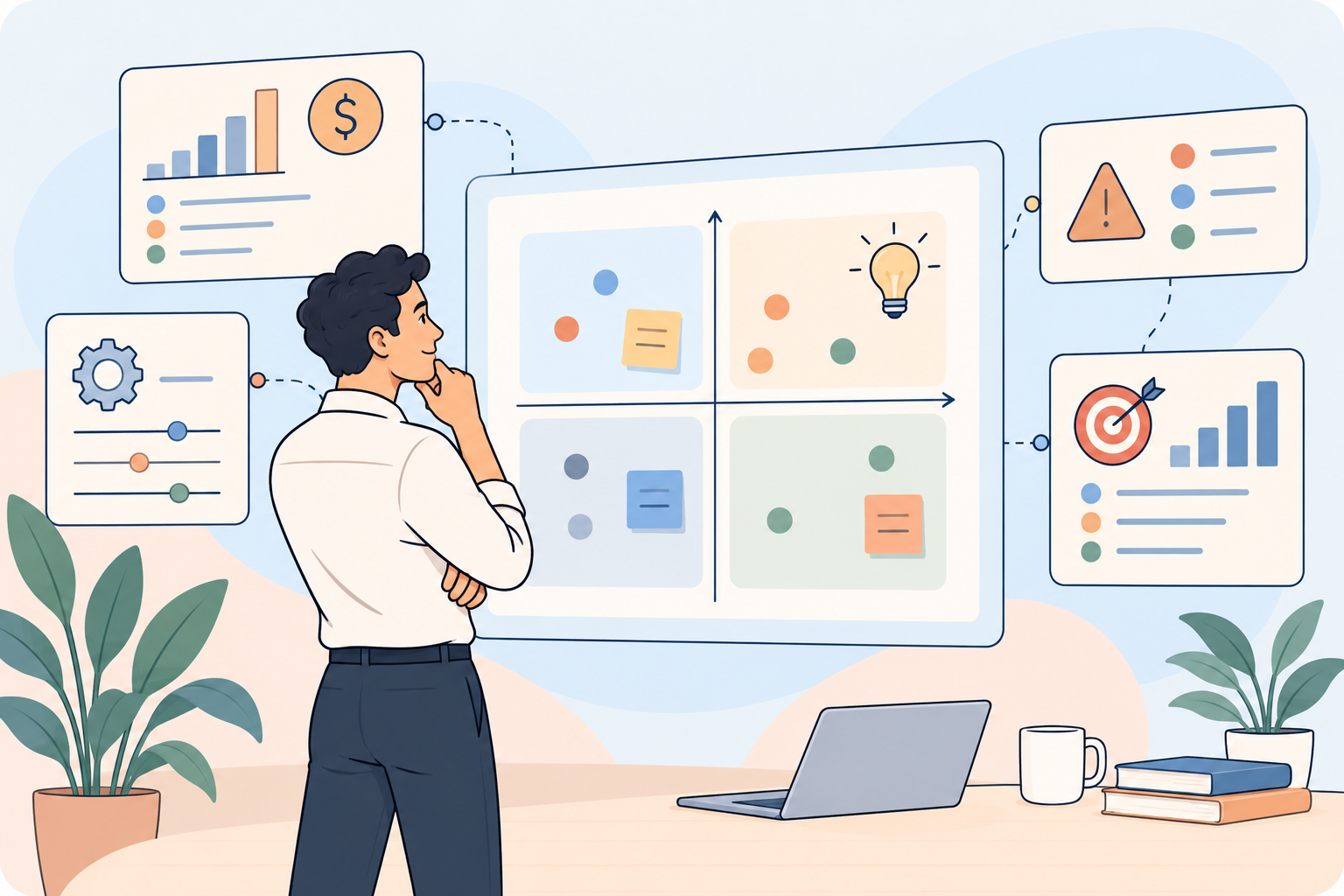
A useful way to uncover expertise is to examine decisions with the people who made them.
Consider several customer cases that received different responses. Why did the team choose one action over another? Which details influenced the decision? What would have caused them to escalate? Which outcomes were considered acceptable, and why?
These conversations can reveal business standards that have never been stated explicitly.
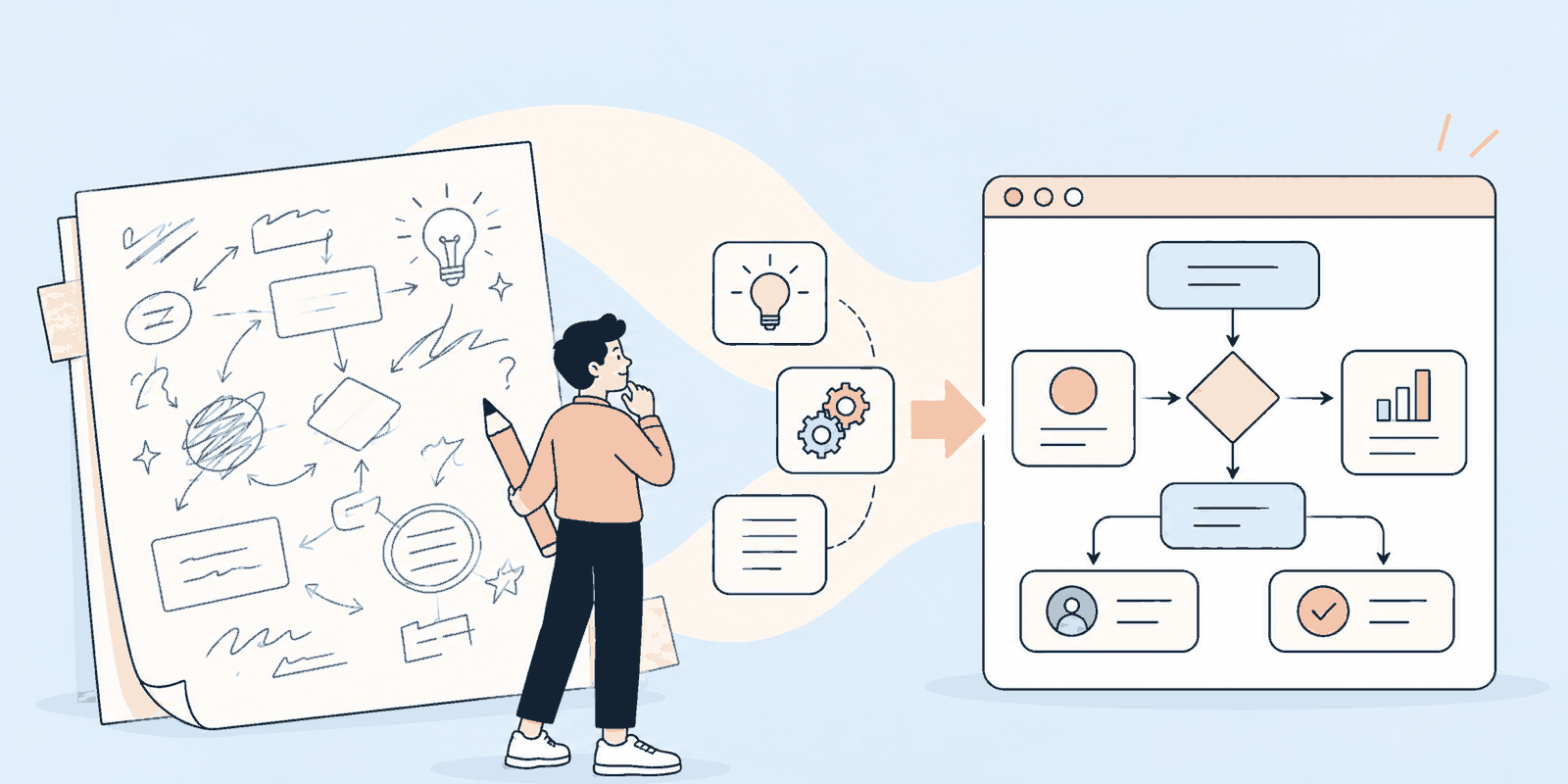
Once those standards become clearer, they can inform the agent’s instructions, information requirements, evaluation criteria, and boundaries.
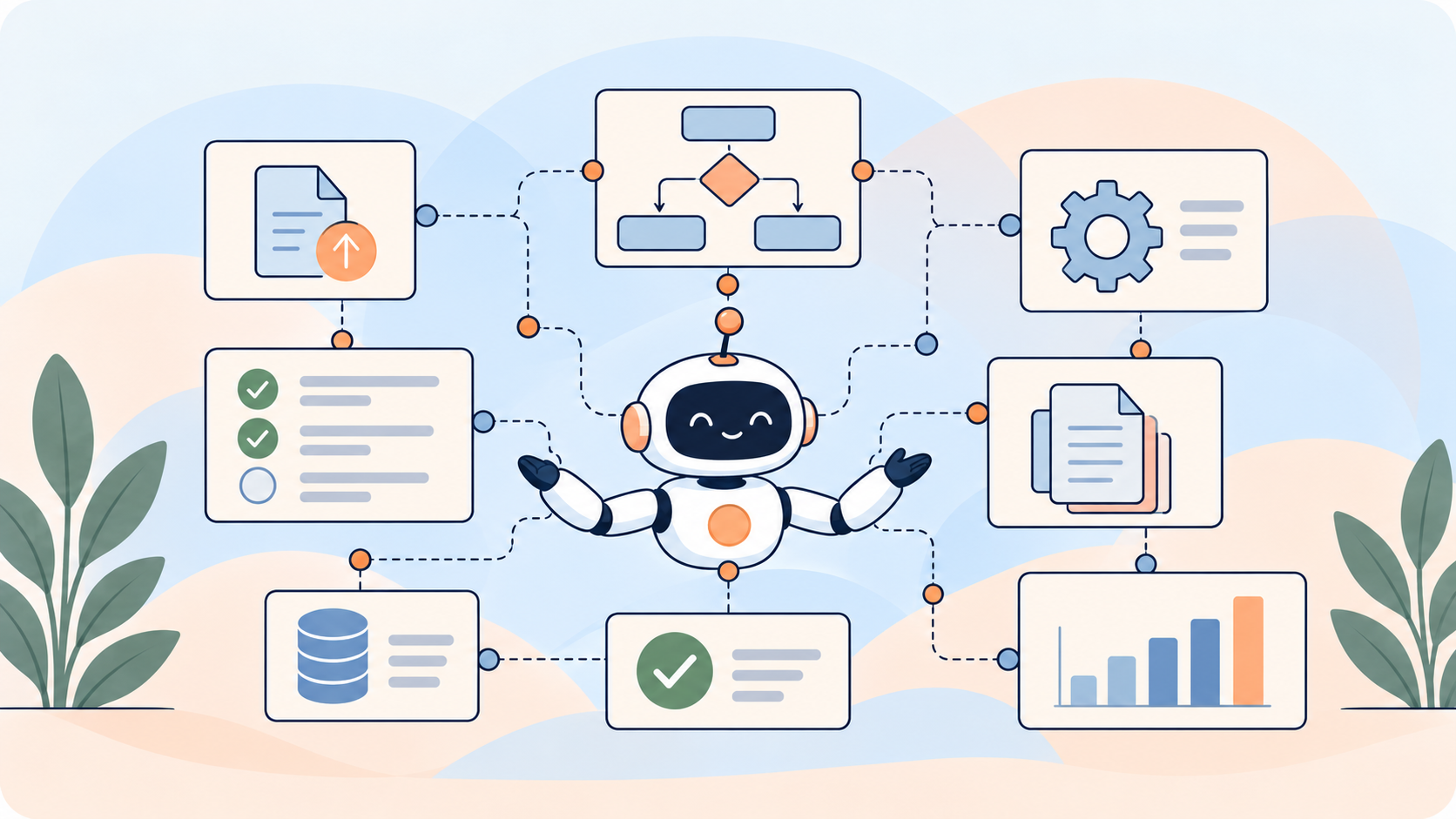
For example, an agent might be expected to check a customer’s previous commitments before preparing a recommendation. It might be instructed to flag unusual circumstances and request human review rather than applying the default process.
The objective is to help the system use relevant organizational context, while keeping the appropriate level of human responsibility.
Test Whether the Agent Applies the Intended Judgment
An agent that handles routine cases well may still struggle when information is incomplete or several reasonable actions are possible.
Testing should therefore include examples that require more than retrieving the correct policy.
Can the agent recognize when an exception matters? Does it ask for missing context? Can it distinguish a standard request from a sensitive case? Does it escalate situations that fall outside its authority?
The answers reveal whether the system is applying the intended professional standards. They also help the organization discover which parts of its own decision making still need clearer definitions.
Evaluation should continue after deployment. Policies change, business conditions evolve, and experienced employees develop better approaches. The agent’s instructions and tests need to evolve as well.
The NIST AI Risk Management Framework provides a useful reference for evaluating AI systems in the context where they operate and maintaining appropriate governance throughout their lifecycle.
The Organizational Asset Behind the Agent
The result of this work should be more than an agent that gives better answers. It can also be a reusable way of working: a set of representative cases, the reasoning behind past choices, criteria for a good outcome, boundaries of authority, and tests that show whether those standards are being applied.
Those artifacts remain valuable when a tool or model changes. They carry the organization’s definitions of quality and the practical judgment that informed them. Someone needs to own their maintenance, record updates, and resolve disagreements between experts rather than allowing the system to quietly choose a rule.
Not every aspect of human judgment can become an explicit instruction, and not every decision should be delegated to AI. Sometimes the best contribution of an agent is to gather the evidence and prepare a better decision for a qualified person.
The strategic asset is the organization’s growing ability to define what good work looks like and pass that knowledge on.
The agent is one way to put that expertise to use. The working method developed around it can keep improving long after the first agent is built.